Agentic General Behaviour
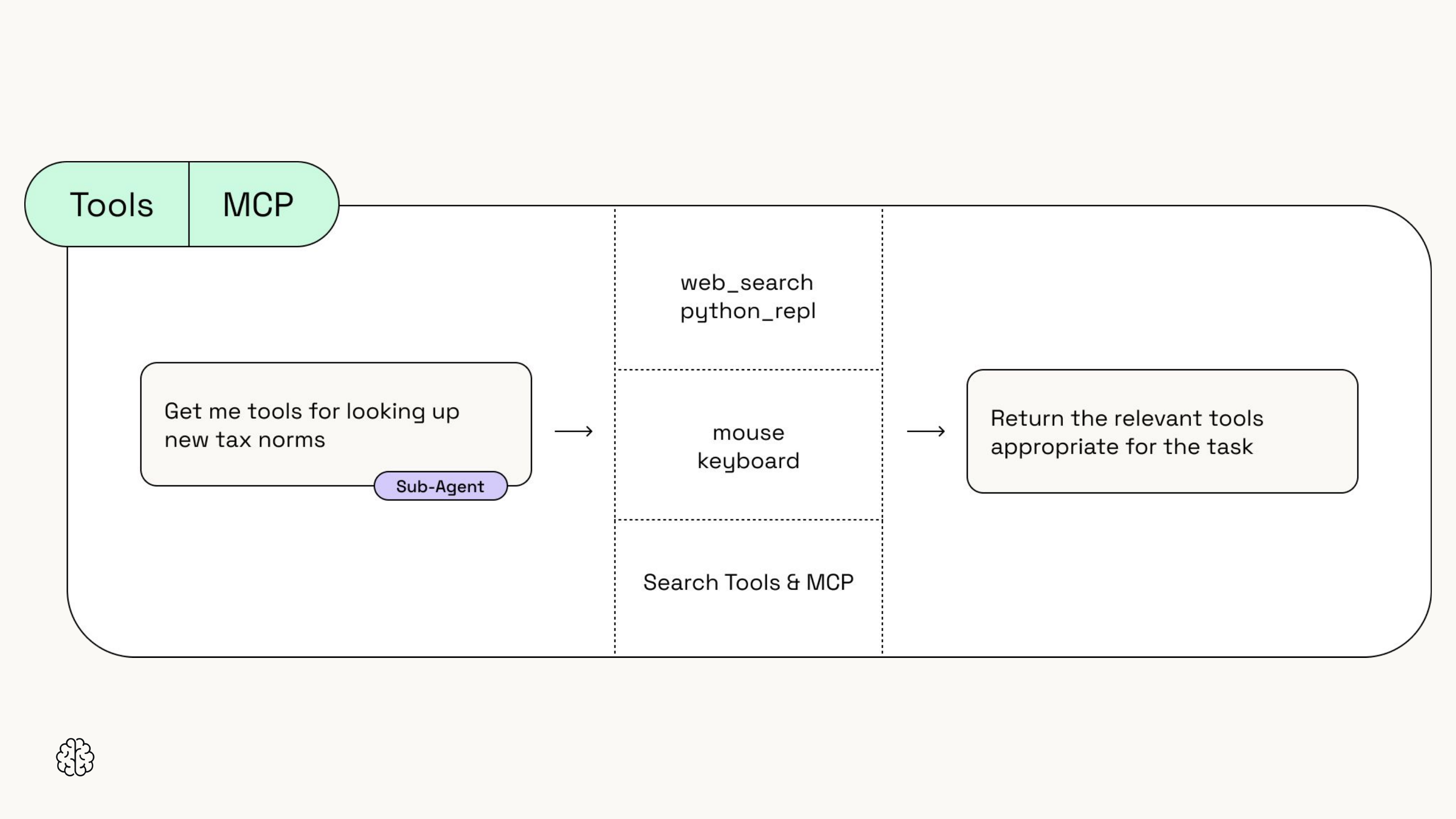
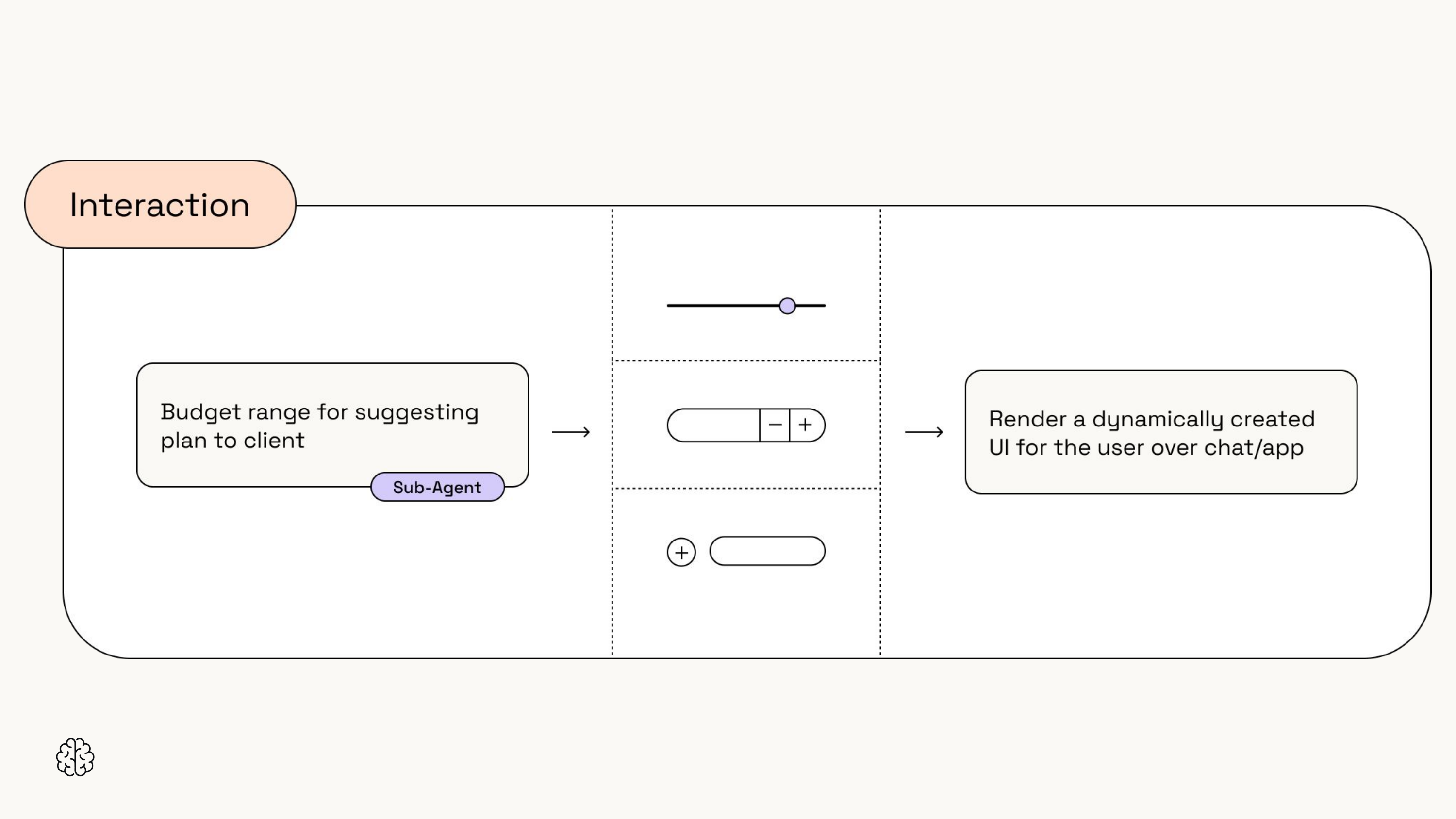
Back in February, I had a thought the next leap in AI wouldn't come from better models alone, but from the behavioural systems wrapped around them. A few months later, many of the ideas discussed below—persistent memory, scheduled execution, self-learning loops, reflection, and long-running autonomous processes—have become standard components of modern agentic harnesses.
The interesting question was never how intelligent LLMs could become. It was how they could behave.
Those familiar with LLM architectures understand that, at their core, these systems are remarkably mechanical. They predict the next token, execute within a finite context window, and terminate once the inference cycle is complete.
Yet to most people, they exhibit a compelling form of intelligence. They solve university-level exams across disciplines, reason through complex problems, outperform humans on many standardized benchmarks, and possess an unprecedented breadth of knowledge.
Despite this, they still lack something fundamentally human: behaviour.
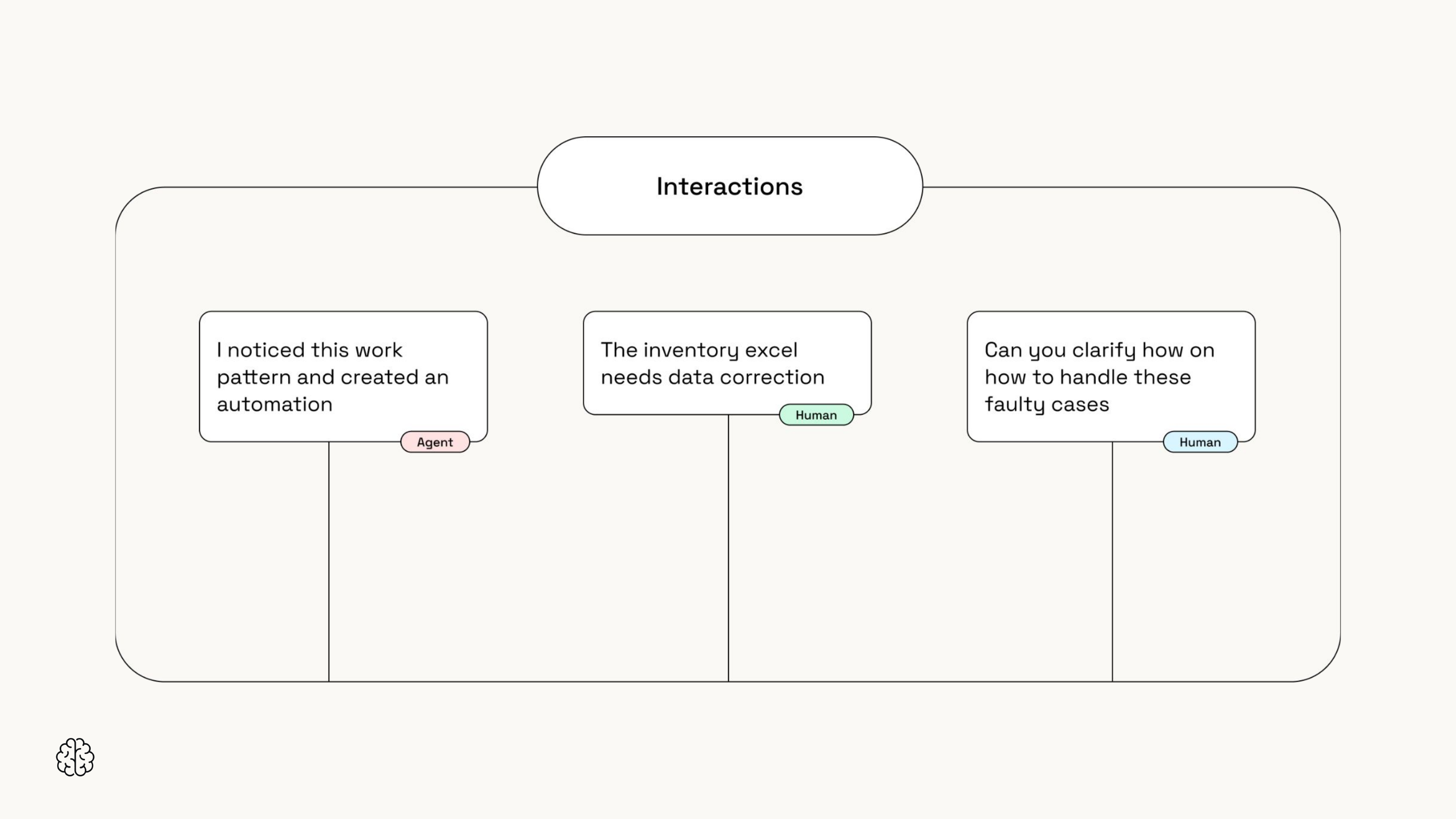
They have no persistent identity, no continuity between interactions, no intrinsic goals, and no ongoing relationship with their environment. Every conversation effectively begins from scratch.
The missing piece isn't another model. It's the behavioural substrate surrounding the model.
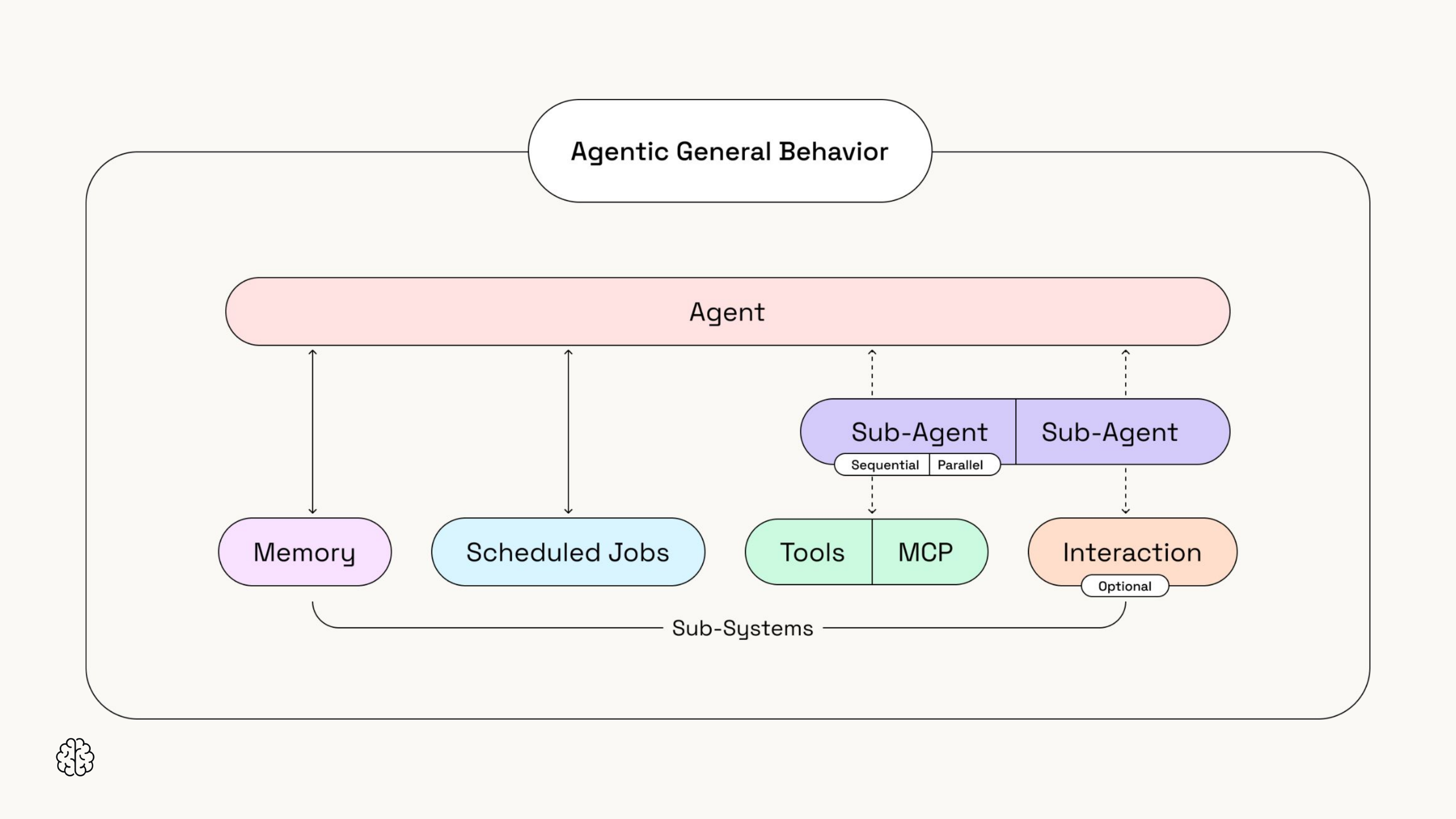
Behavioural Subsystems
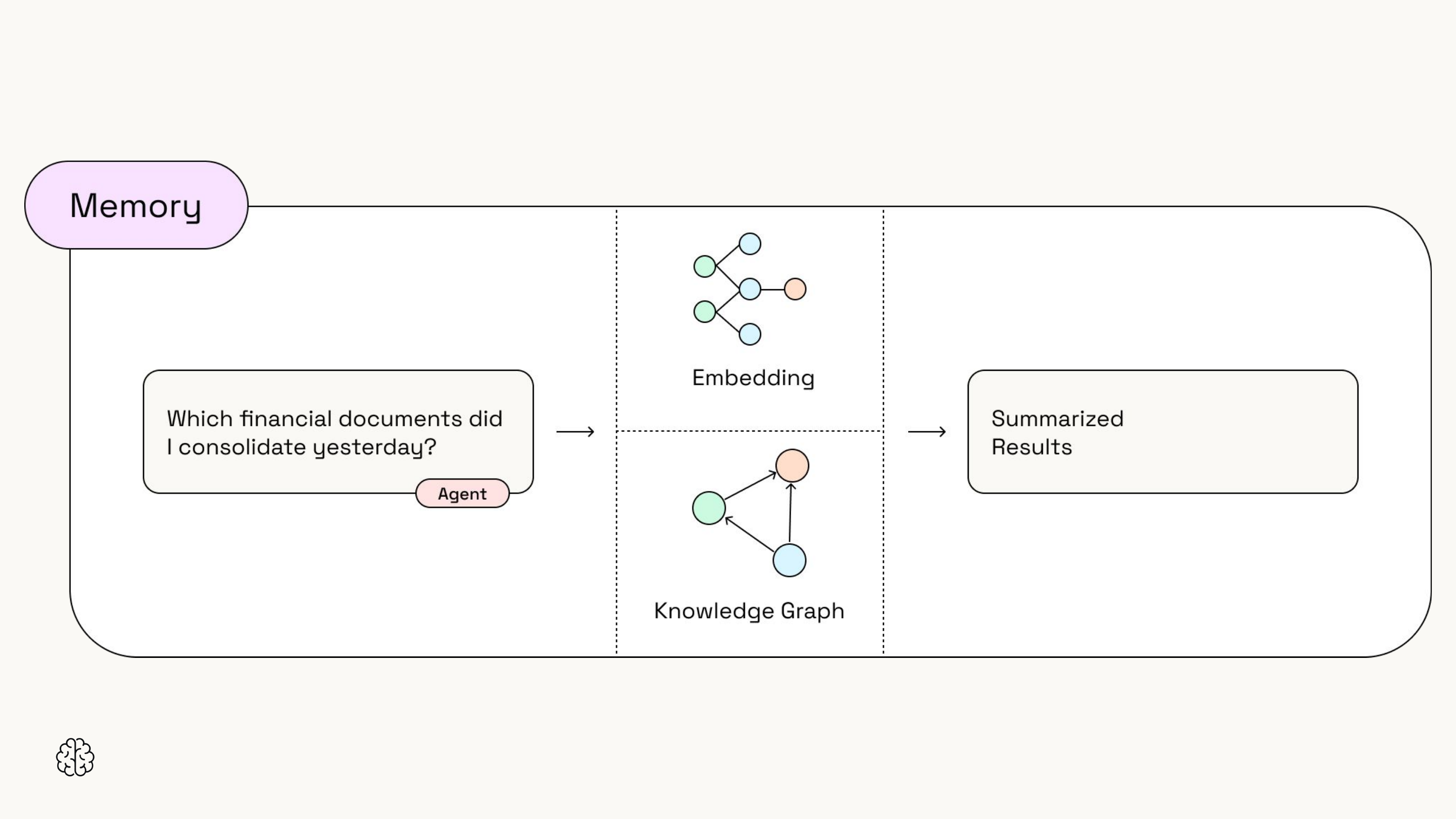
- Memory - persistent knowledge that extends beyond a single context window.
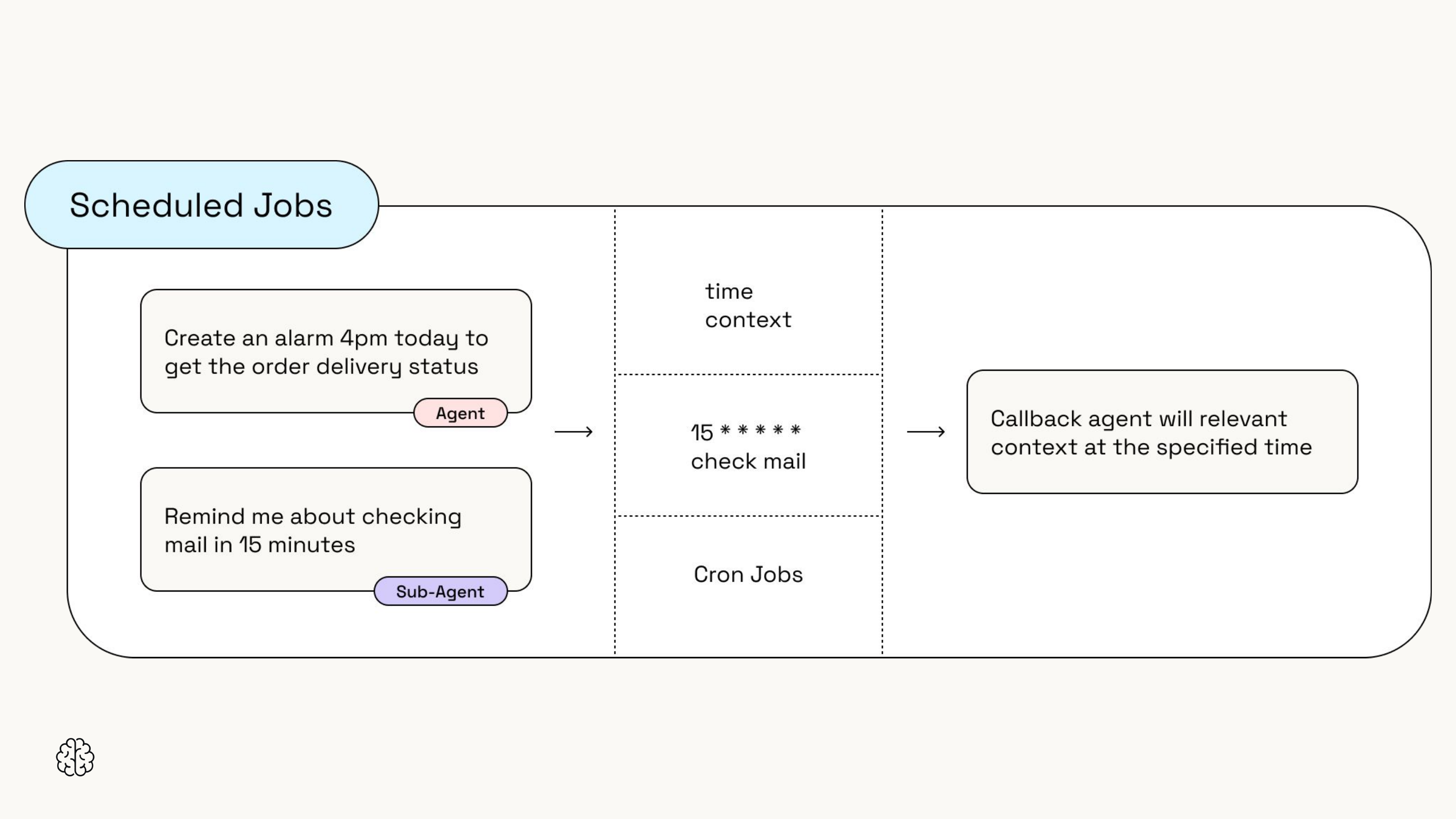
- Cron / Scheduling - continuous execution, reflection, recursive planning, and delayed actions independent of user prompts.
From these primitives emerge higher-order behaviours:
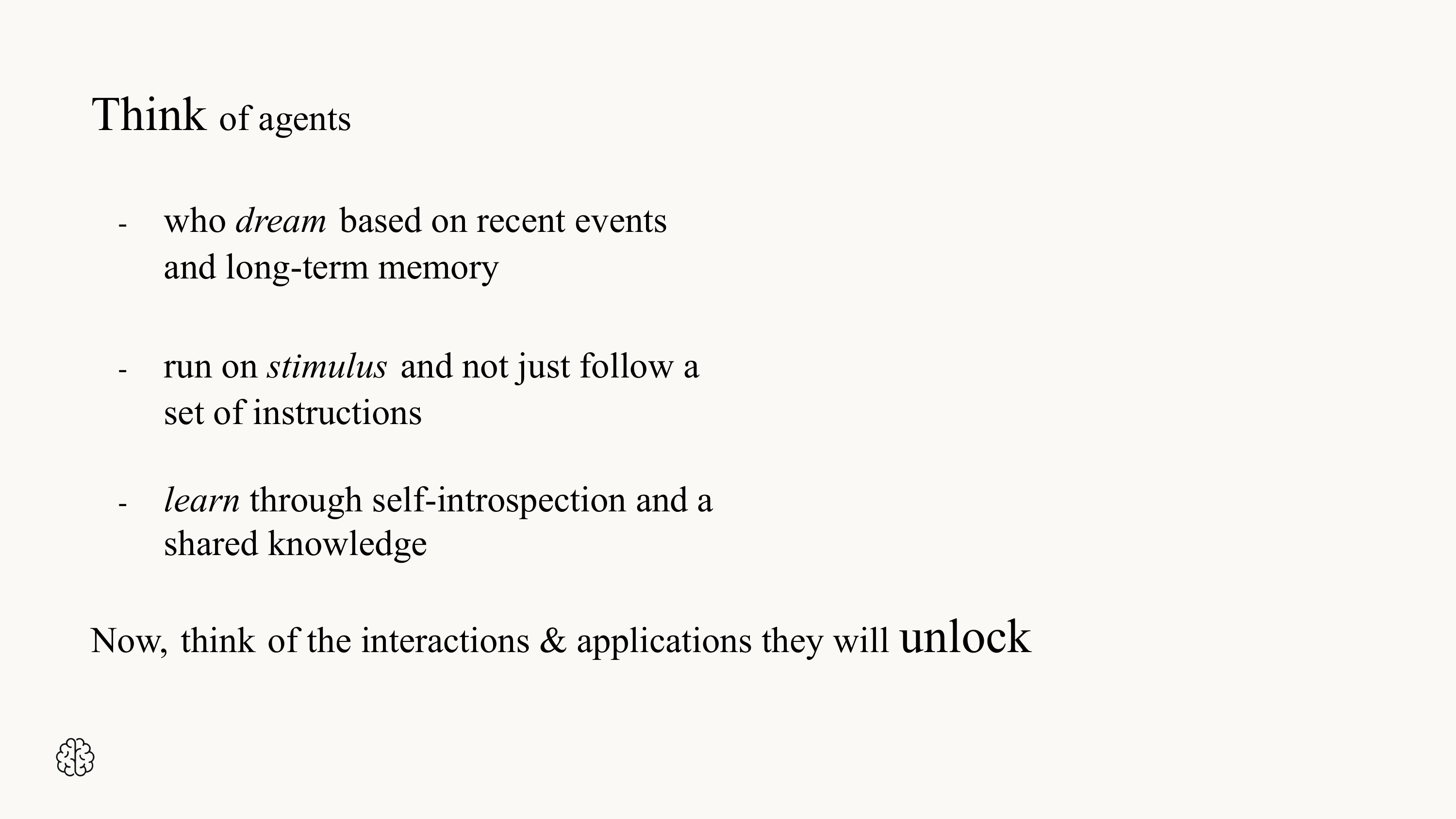
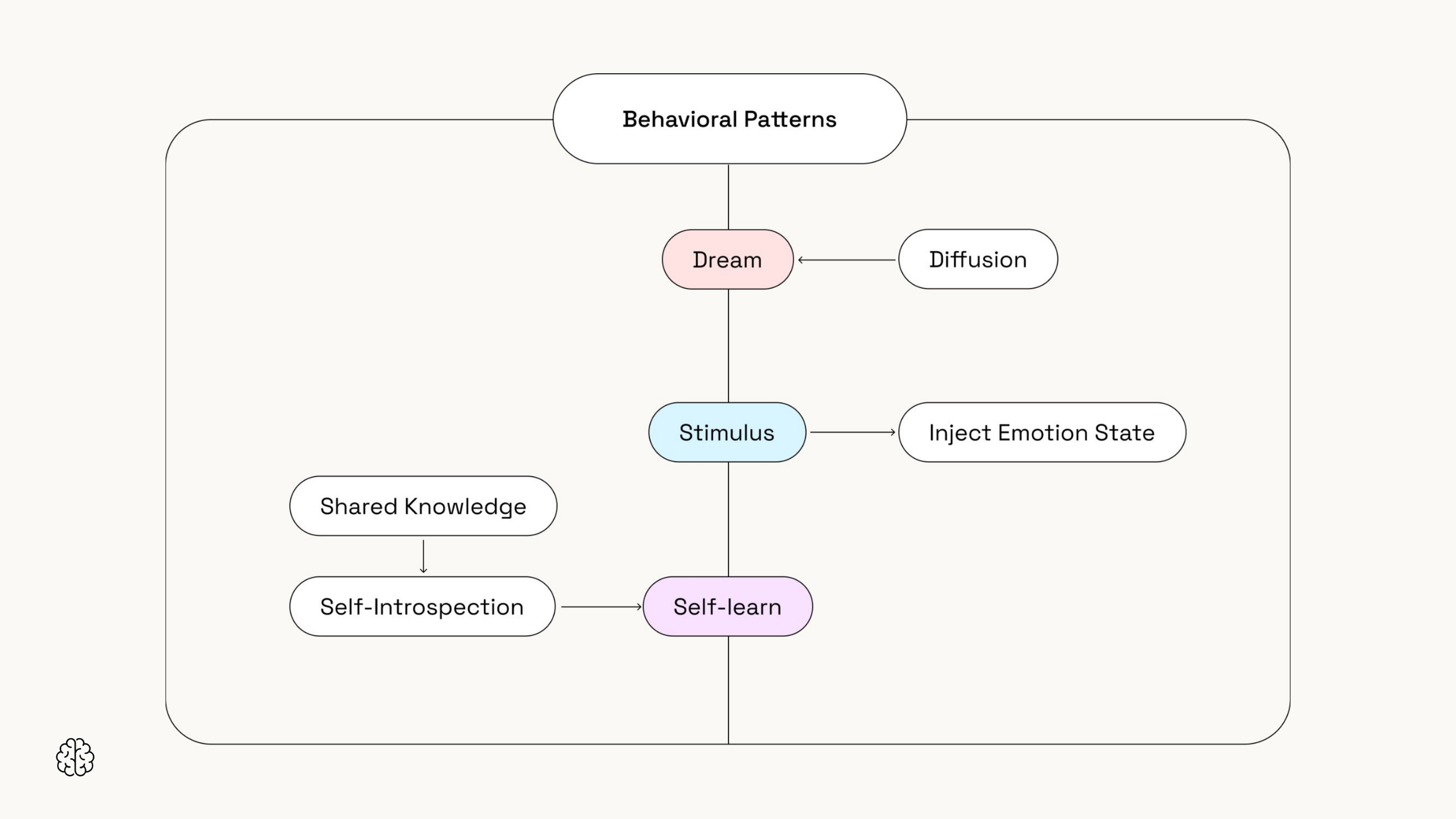
- Dream - consolidation of long-term memory with recent experiences to produce new knowledge and plans.
- Self-Learn - continuously refining prompts, memories, workflows, or even the underlying model based on accumulated experience.
- Stimulus - behaviour driven not solely by user input, but by internal objectives, environmental changes, and persistent goals.
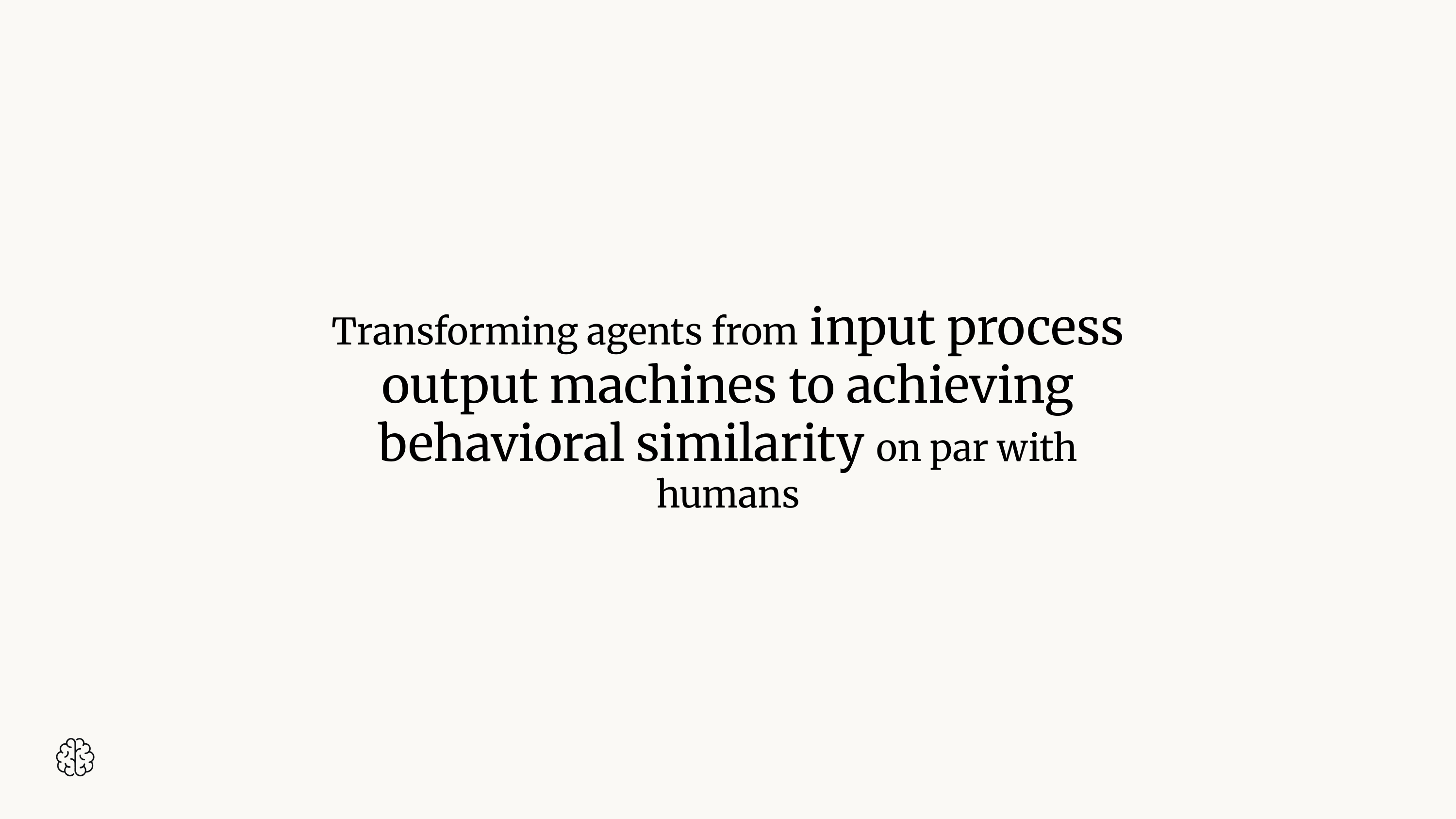
The result is a transition from single-cycle input → process → output systems to agents capable of general behaviour—systems that exhibit continuity, adaptation, and purposeful interaction over time.